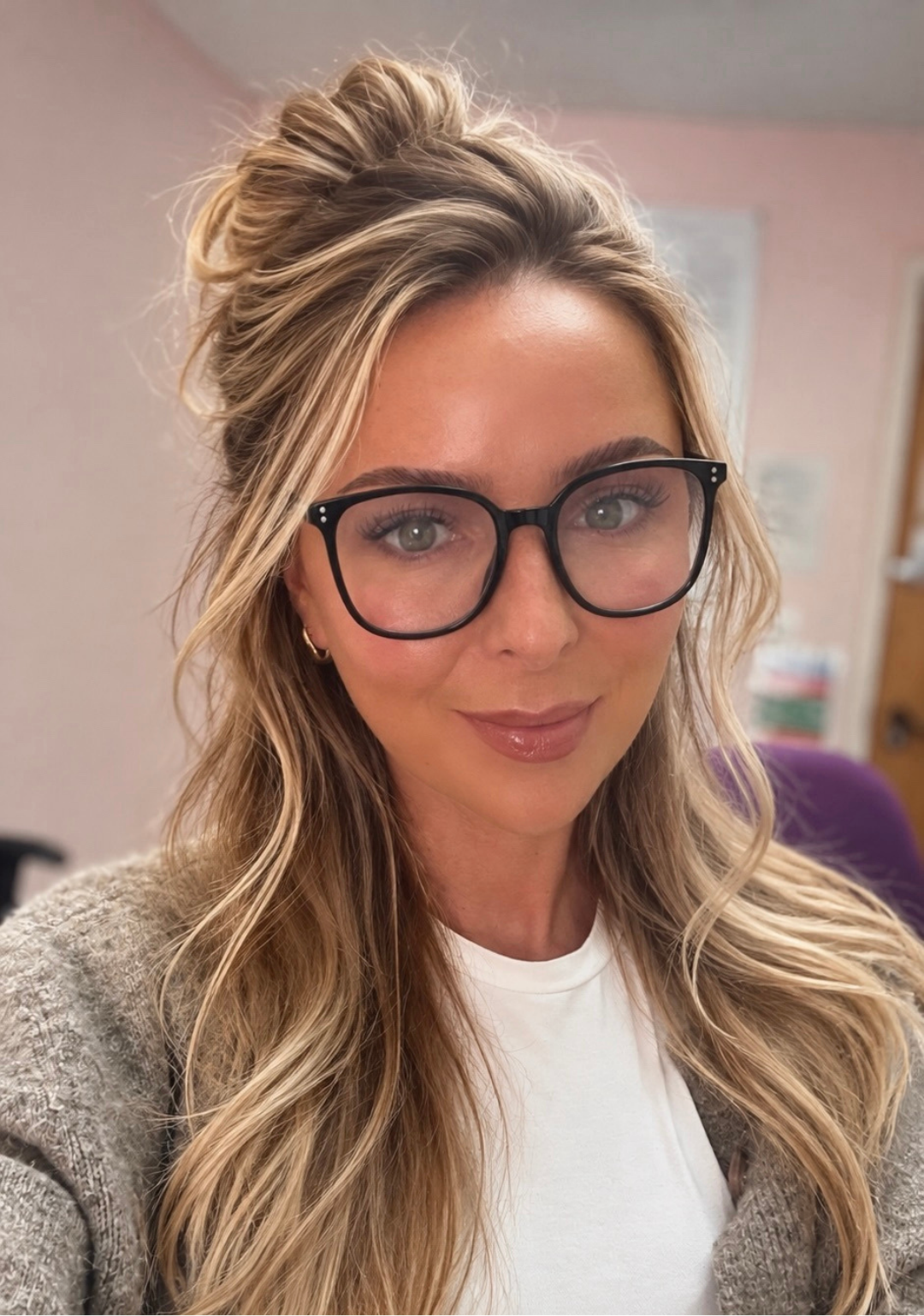
Care before crisis: Recognising the VCSE’s role
If we are serious about the future of social care, we need to be honest about what is holding it together today. And as we look at what comes next, there is an opportunity to do more than redesign services. We need to think differently about what we mean by care in the first place.
From where I sit, working across Age Concern Hampshire and the Hampshire & Isle of Wight Dementia Alliance, one thing becomes clearer every day: care does not begin when somebody meets a statutory threshold. It happens much earlier.
It is the volunteer who notices that somebody seems less steady than usual. The community group that gives an isolated older person somewhere to belong. The support that helps somebody return home safely after hospital. The person helping an older resident navigate a form or find the right support. And it is the unpaid carer quietly holding everything together at home.
None of these things sits neatly within a single pathway, organisation or funding stream. Yet together they form part of the infrastructure that enables people to remain independent, connected and well. The scale of the challenge makes this increasingly important. Almost one million people in the UK are estimated to be living with dementia, a figure projected to reach 1.4 million by 2040. Millions more provide unpaid care for somebody they love.
At the same time, statutory services, social care providers and voluntary organisations are all working within enormous financial and workforce pressures. Through the development of Hampshire’s Dementia Strategy, we have been asking what support actually looks like from the perspective of somebody living with dementia and their carer. Unsurprisingly, their lives do not divide themselves into NHS, local authority and VCSE responsibilities.
That has made me think differently about what genuine system leadership requires. The VCSE cannot simply be seen as somewhere to refer people once the formal system has done its bit. Community organisations are already providing prevention, early intervention, navigation, practical support, connection and care, often long before somebody reaches crisis. Yet we are asking more and more of a sector facing significant financial pressure, funding cuts and growing demand.
If we increasingly rely on the VCSE to help keep people well, independent and out of crisis, we also have to be honest about what it takes to sustain that support. We cannot build a more preventative health and care system while allowing the community infrastructure needed to deliver it to become increasingly fragile. If the ambition is to move from hospital to home, from treatment to prevention and towards stronger neighbourhoods, organisations already embedded within those communities need to be part of designing that future, not simply delivering around its edges. That means commissioners listening to what VCSE organisations are seeing on the ground and using those insights to shape services alongside them.
Our sector sees where people fall through gaps, where pathways become difficult to navigate and where relatively small interventions can prevent needs escalating. Bringing that experience into commissioning can help design support more effectively, make better use of limited resources and underpin the sustainable community services that a preventative system will increasingly depend upon.
There are real reasons for optimism. Through Hampshire’s Dementia Strategy and the conversations taking place through HIVCA, I am seeing a growing willingness to work differently across Hampshire and the Isle of Wight. People with lived experience, NHS colleagues, local government and VCSE partners are
coming together to understand what is happening across whole communities and what each part of the system can contribute. Being part of HIVCA’s Ambassador Network has reinforced for me how important that wider perspective is. Our sector holds an enormous amount of knowledge about what communities
need, where pressures are emerging and where relatively small interventions can make a significant difference.
The challenge now is ensuring those insights genuinely influence how services are designed, commissioned and delivered, with VCSE partners involved early enough to help shape the solutions.
The willingness I am seeing to listen across organisational boundaries, share ownership and recognise that no single organisation holds all the answers gives me real hope. We can build a more joined up and sustainable system around people, rather than continuing to expect people to navigate the boundaries between services themselves. Perhaps the opportunity in front of us is bigger than reforming social care.
It is recognising that care was never the responsibility of one part of the system in the first place, and that across Hampshire and the Isle of Wight we have a real opportunity to shape what comes next together.
Contribution by: Brogan Rehill, Head of Strategy, Partnerships & Community Impact, Age Concern Hampshire
Written By: HIVCA